
The federal government has hiked the Tobacco Excise Tax rate up 12.07% in the most recent budget going from $207.21 to $232.21 per kg. This took effect on 17 April 2024.
The Yukon region experienced a small uptick in taxes of 12.90% in loose tobacco effective 1 Jan 2024. The only other province that has increased their tobacco tax rate was surprisingly Quebec with a 5.29% increase from $189 to $199 per kg which took effect 13 March 2024.
Of note from other provinces…
British Columbia : Since 2021 BC remains the province that has the highest provincial tobacco tax at $650.00 per kg. The closest province to them is Newfoundland which stands at $560.00 (also since 2021).
Alberta : No increase in the provincial tobacco tax in Alberta for 2024. They increased tax rates on cigarette and smokeless tobacco effective March 1, 2024.
Each package of fine cut pipe tobacco being sold in Alberta must have a duty paid tax stamp affixed to the package. Pipe tobacco packages will be in units of 50, 100, 150, 200, 250 and 400g sizes. Tobacco stamped or marked for sale in other provinces cannot be sold in Alberta.
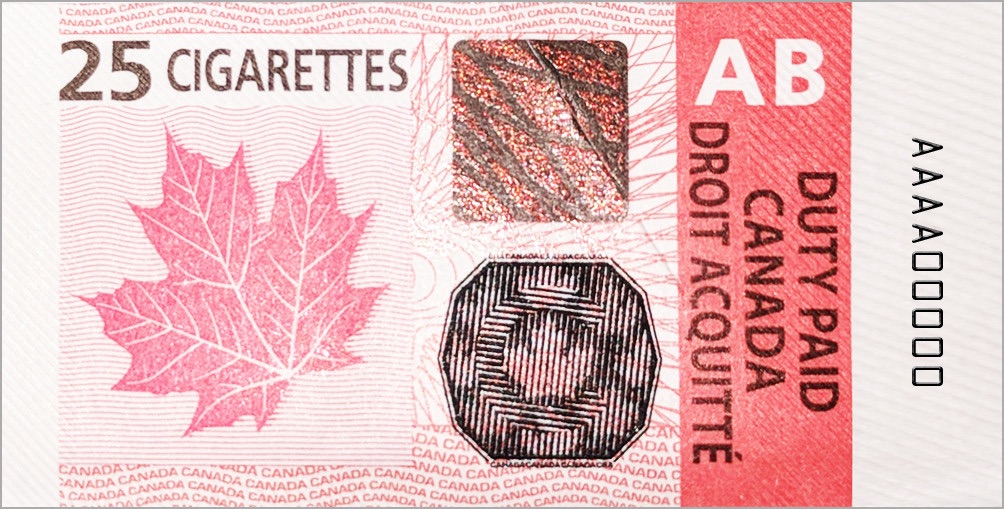
Some pipe tobacco intended for sale in Alberta will have a federal stamp to indicate duty has been paid. In these cases, the Alberta tax stamp will not be present.
Regarding consumers, Alberta has imposed possession limits. Anything above and beyond this requires a permit issued by the Tax and Revenue Authorisation (TRA) wing of the provincial government:
- More than 1000 cigarettes;
- More than 1000 tobacco sticks;
- More than 1000 grams of fine cut tobacco;
- Cigars that contain more than 1000 grams of tobacco; and
- Any combination of tobacco containing more than 1000 grams of tobacco.
Pipe tobacco being imported into Alberta or being brought back into Alberta must have duties and taxes paid if it is above and beyond any applicable federal duty limits.
Anyone purchasing tobacco in another province and bringing it into Alberta has 10 days to report the importation to the TRA for assessment. This might not apply if the absence from the province was over 48 hrs, but it’s best to make sure there’s an official federal or provincial tax stamp on the product(s) being brought back.
Nova Scotia : No increase since 2020.
Regarding tobacco stamps, packages purchased in Nova Scotia must bear the Nova Scotia Pantone purple coloured stamp.
Tobacco products sold to individuals who have status under the Indian Act require a federal peach coloured stamp labeled “CANADA DUTY PAID”. One must have Indian Status to possess this tobacco.
New Brunswick : This province hasn’t updated or increased their provincial Tobacco Tax rate since 2017 – that’s eight straight years!
Prince Edward Island : Like most provinces, tobacco products must be marked with a valid federal or Nova Scotia (yes, Nova Scotian stamp) tobacco excise stamp. Products without this marking are considered to be illegal or contraband tobacco. Possession of contraband tobacco in PEI is subject to proscribed penalties.
It is also illegal to sell or offer tobacco in PEI if you are not licensed to do so and it is also illegal to purchase tobacco products from someone who is not a licensed retailer.
Personal limits on tobacco possession exist:
- 1,000 cigarettes or cigar sticks;
- 1,000 grams of loose tobacco; or
- Any combination of the above.
Newfoundland : A reduced rate of tax applies to cigarettes and tobacco other than cigarettes and cigars in Labrador City, Wabush and southern Labrador (from the border of the province of Quebec to and including the community of Red Bay). The reduced rates are provided by way of a rebate to the retailer. For pipe tobacco, that means instead of the $560.00 per kg price these areas pay $186.40 per kg. Quite the difference.
The reason for this reduced rate is to compete with Quebec whose provincial tobacco tax is much lower. Smokers from Newfoundland were nipping over to la belle Provence to get their cheaper tobacco leaving the Newfoundland B&M’s screaming for attention and revenues.
Regional Breakdowns
Looking regionally the most expensive taxes (comprised of the average Tobacco Tax Rate including the Federal Excise rate per kilogram) are being paid by those in Atlantic Canada (Newfoundland, Nova Scotia, PEI, and New Brunswick). Next are the Western provinces (British Columbia, Alberta, Saskatchewan, and Manitoba). The Northern regions are next (Nunavut, Northwest Territories, and Yukon), followed by the Central regions of Ontario and Quebec.
The breakdown is :
| Region | Amount | Change Percentage |
| Atlantic | $770.61 | 4.7% |
| Western | $699.09 | 5.2% |
| Northern | $639.88 | 7.4% |
| Central | $360.13 | 11.7% |
There may some provincial budget updates in June or in the Fall, and if that occurs then our little tax form will be updated, and any information changes will be posted here for everyone.
 Ottawa Pipe Club